AURUMSTAR · LOCAL MARKET INSIGHTS
Why Offline Matters
Market scale. Established channels. Local service.E-commerce helps manufacturers reach overseas consumers. Expanding market coverage, building trust and serving a broader range of households and professional applications also requires a strong local presence.
NORTH AMERICA · RETAIL
U.S. & Canada: online and offline retail
| Indicator | United States | Canada |
|---|---|---|
| Total retail market | Approx. US$7.52T (2025) | C$837.2B (2025) |
| E-commerce sales | Approx. US$1.234T (2025) | C$73.7B (2024) |
| E-commerce share | 16.4% (2025) | 8.5% (2024) |
| Offline / non-e-commerce share | 83.6% (2025) | 91.5% (2024) |
Amounts are in U.S. dollars and Canadian dollars respectively; no currency conversion is applied. Canada’s 2025 total uses the monthly retail survey, while its 2024 e-commerce figure and share use the annual survey (C$865.2B in operating revenue). These years and survey bases must not be divided into each other. Non-e-commerce shares are calculated as 100% less e-commerce and are not strictly equivalent to in-store purchases. These broad retail measures include categories such as motor vehicles and are not category-specific estimates for energy or smart home products. Canadian annual e-commerce figures exclude direct purchases from foreign retailers.
E-commerceOffline / non-e-commerce
A substantial market beyond e-commerce
U.S. Census Bureau estimates for the full year 2025 put e-commerce at 16.4% of retail sales, leaving 83.6% outside e-commerce. This aggregate share varies by product category, but shows the scale of the established retail market.
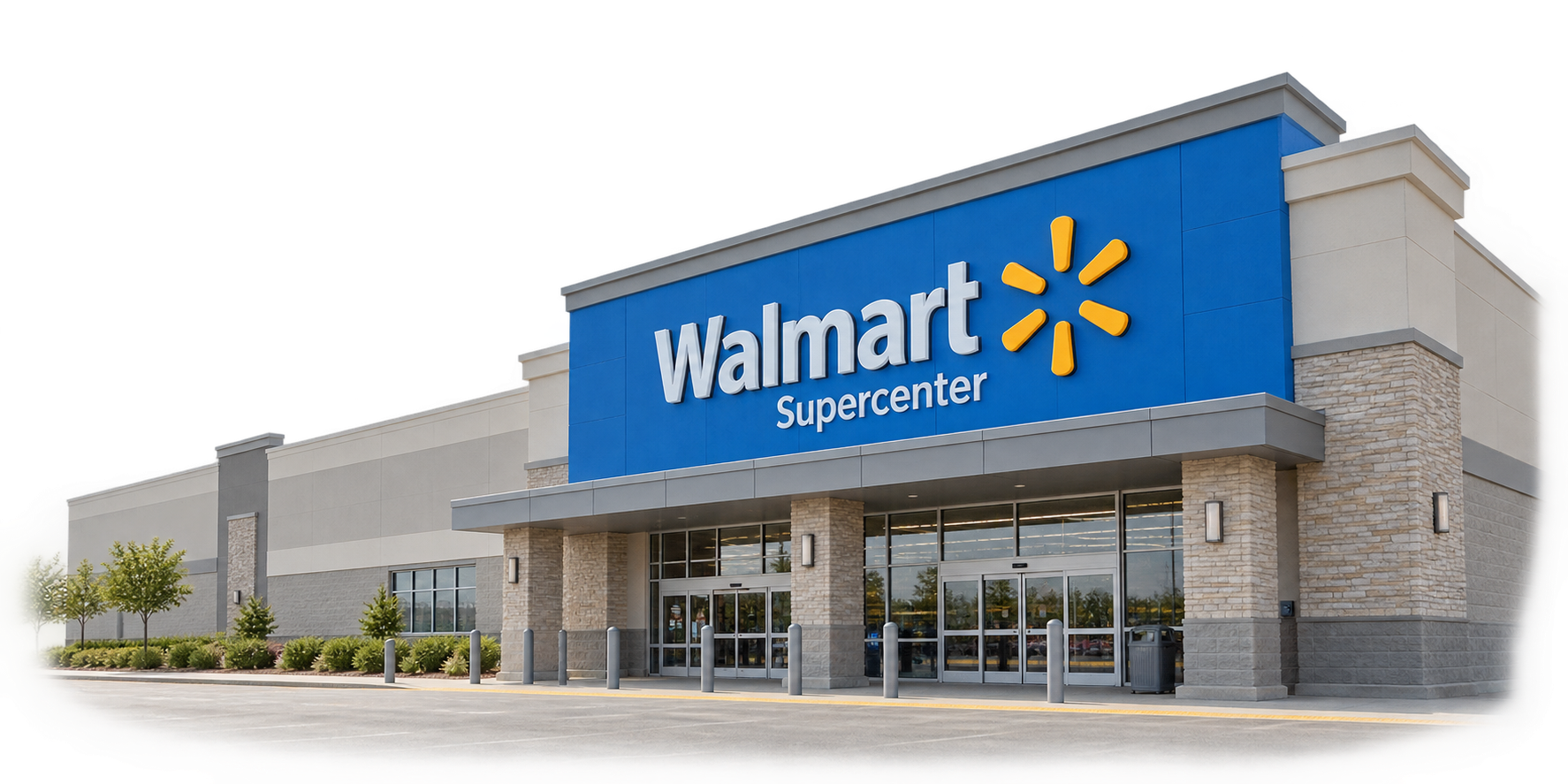
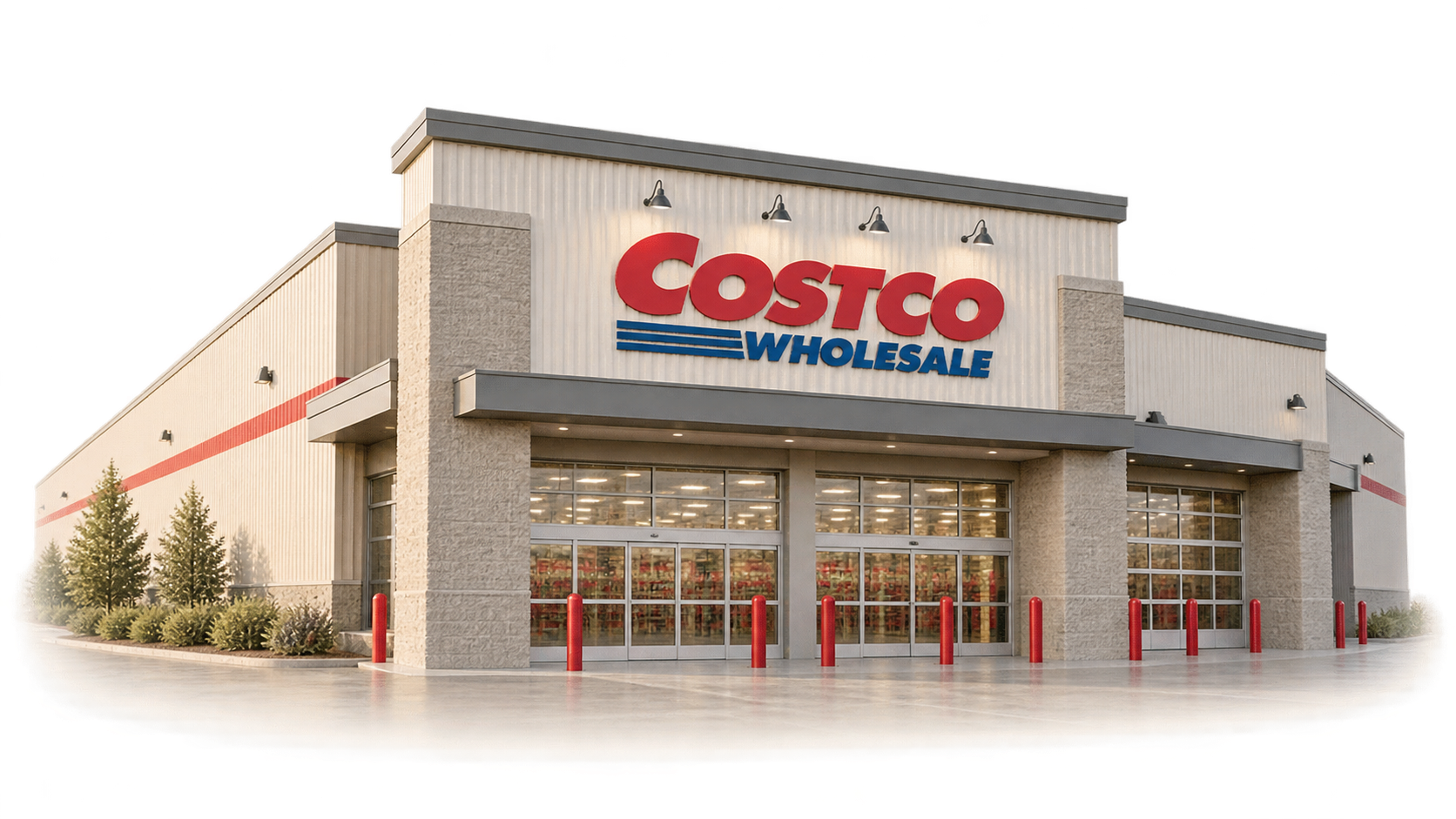
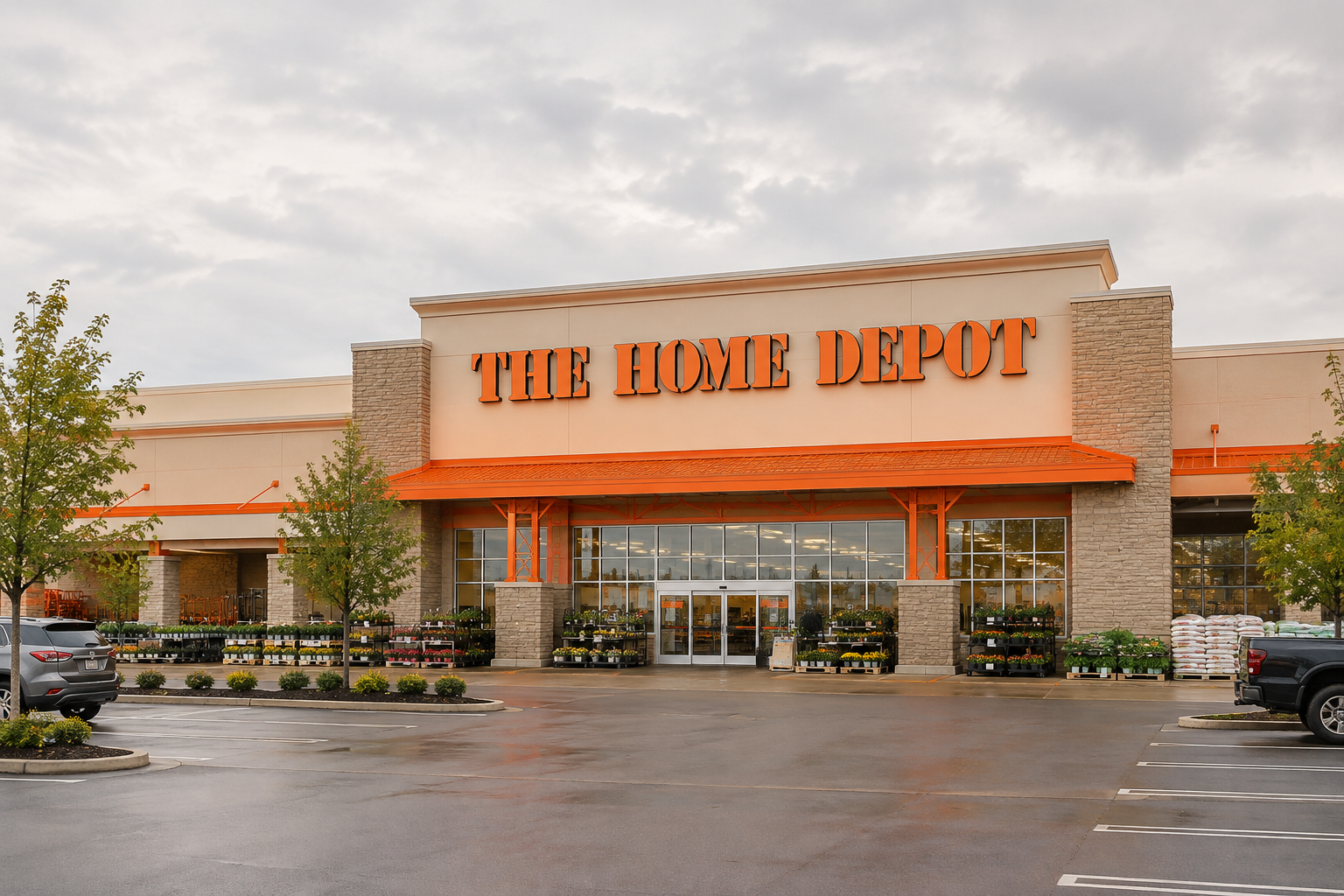
From Costco and Walmart to consumer electronics specialist Best Buy, home improvement retailers such as Home Depot and Canadian Tire, and local specialty stores, North America offers diverse, established routes to customers.
For portable power, home backup systems, security cameras and smart locks, product demonstrations, advice, immediate collection, installation and after-sales support can all influence purchasing. In our view, these needs will continue to support offline channels over the long term.
Major retailers have established procurement systems
Large retailers have professional buying teams and supplier management systems. Manufacturers can pursue direct supply or work with importers and national or regional distributors familiar with the channel and equipped for local delivery and service. Costco, for example, buys most merchandise directly from suppliers and routes it through depots or directly to warehouses.
For overseas manufacturers without local teams or channel experience, a local partner can help with product presentation, commercial discussions, supply preparation and ongoing operations.
Channel entry may involve product selection, negotiation, testing or trial sales. Product compliance, pricing, packaging, inventory, delivery and after-sales responsibilities require preparation; expansion should reflect actual sales performance.
Importers, distributors, regional dealers and service providers connect different areas, stores and customer groups. Understanding these roles and finding suitable partners is central to local market development.
Specialty stores stay close to their customers
North American retail includes both major chains and extensive community and specialty store networks. Ace Hardware reported more than 5,800 stores worldwide in its 2025 annual report, illustrating the continuing presence of community hardware retail.
Specialty stores offer product selection advice, compatible accessories and follow-up support. Some use buying groups, franchise systems or distribution networks to improve purchasing efficiency while retaining their local service focus.
For products requiring installation, setup or maintenance, customers also value experience, responsiveness and ongoing support. Home backup power raises questions about loads, capacity and connection; security systems require decisions about coverage and placement. Such needs create continuing opportunities for local specialists.
Local channels support long-term brand development
Online sales demonstrate acceptance by some customers, but channels reach different people and buying situations. Offline distribution can serve store shoppers, customers seeking advice and projects purchased through dealers, installers and contractors. Physical experience and local service offer additional foundations for trust.
Moving into stores requires a suitable margin for dealers and retailers, coordinated pricing, and clear installation, delivery and after-sales responsibilities. Online success can help introduce a product, while lasting channel relationships need support designed for offline operations.
Offline channels can be a starting point for new entrants or a next step for established online brands. The right sequence depends on the product, customer and resources; online sales are not a prerequisite.
For new energy and smart home manufacturers, a lasting North American presence means turning product strengths into value that local partners can promote and customers will buy. Major retailers, specialty stores, user feedback and local delivery and service capabilities can develop together.